Weinvesta logoWeinvestaInvest Today, Harvest Tomorrow

Real Assets. Real Impact.Real Returns.

We invest in high-value projects that create lasting impact and generate consistent returns for our investors.

Tangible Assets

Real-world investments

High Impact

Creating value & jobs

Sustainable Growth

Long-term value creation

Transparent Process

Clear and honest reporting

Our Projects

Explore Our Investment Opportunities

Diverse projects in agriculture, energy, and more.

View All Projects
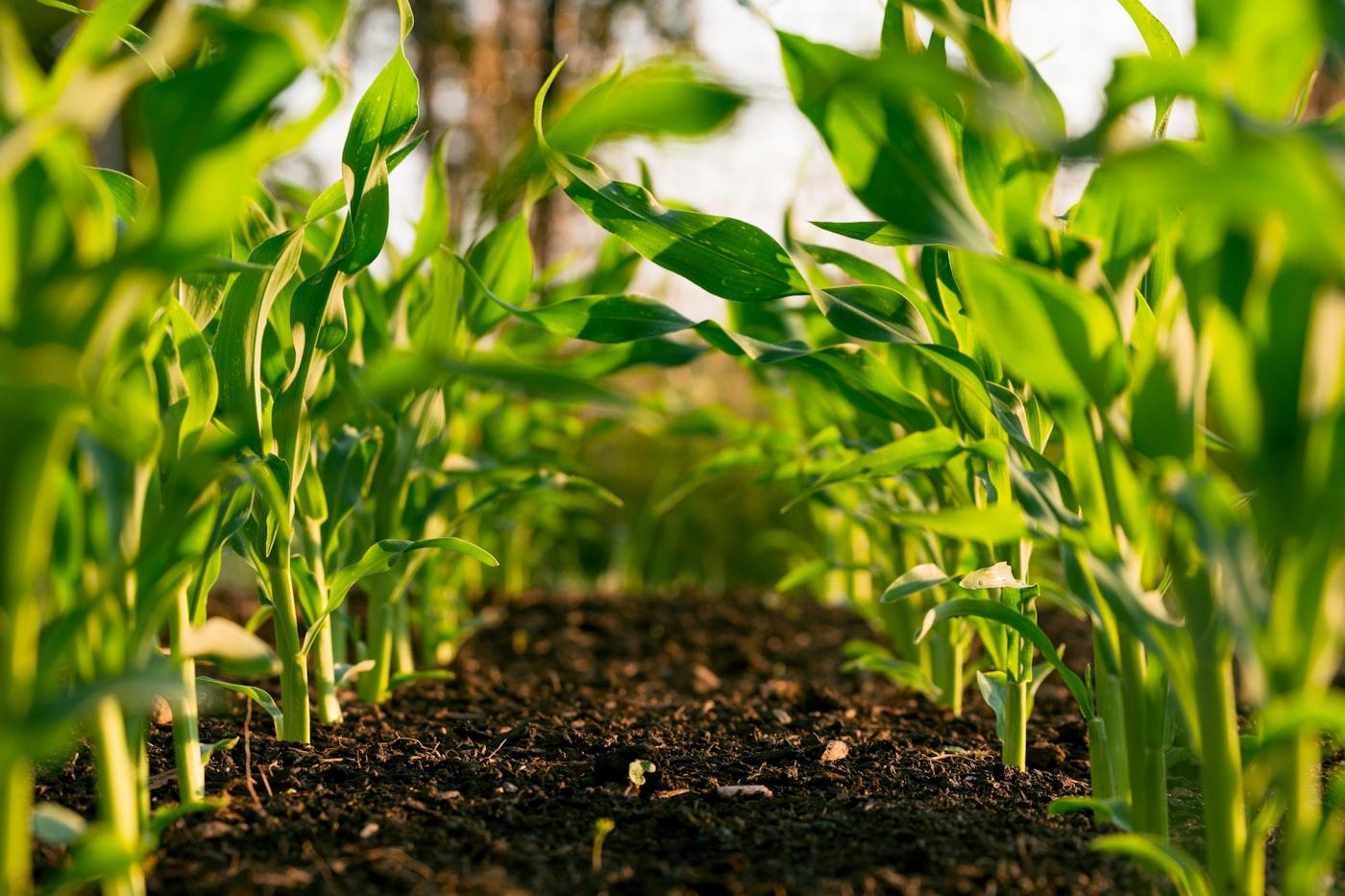
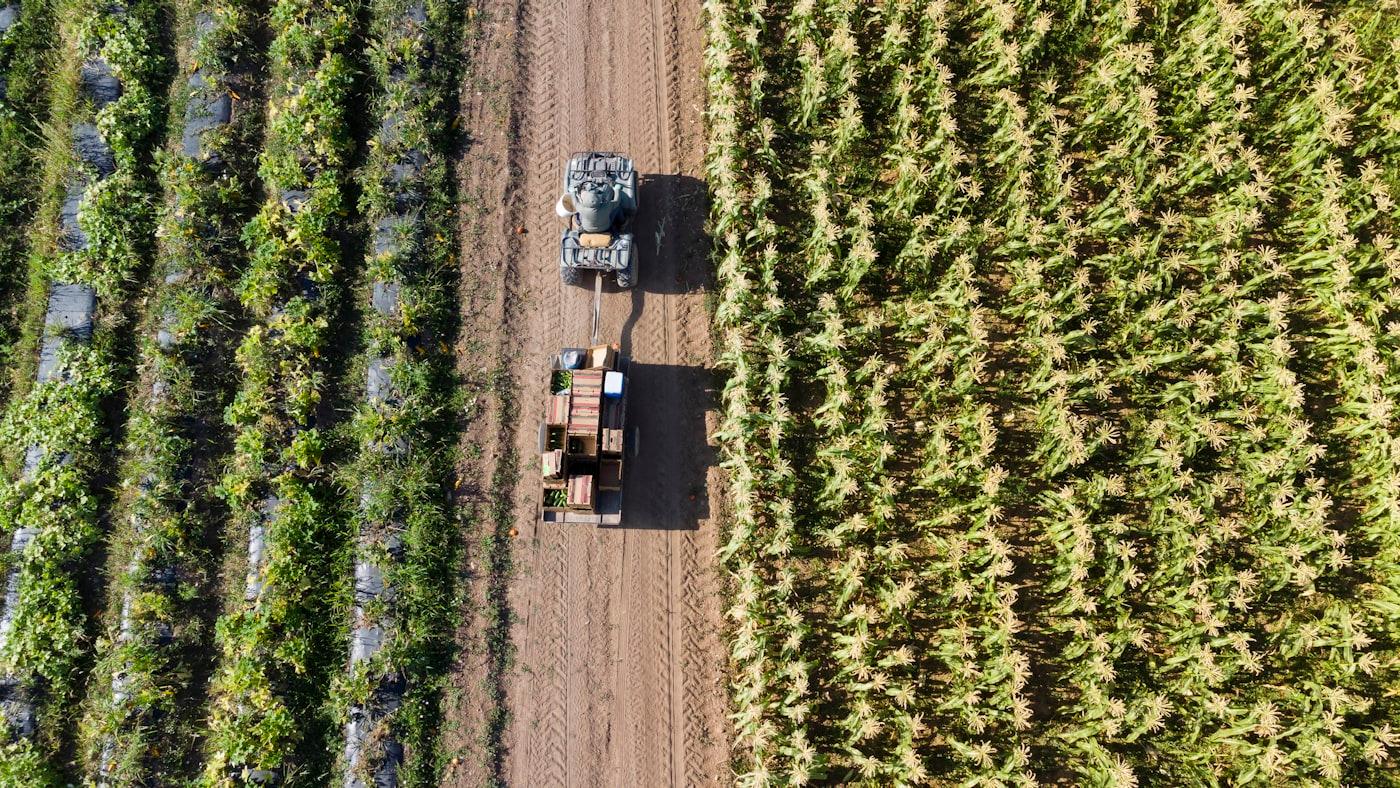
Premium Agriculture Project

Premium Agriculture Project

Brazil, Venezuela, Paraguay, Zambia, Angola, Uganda, Australia, Cambodia, Laos, Indonesia

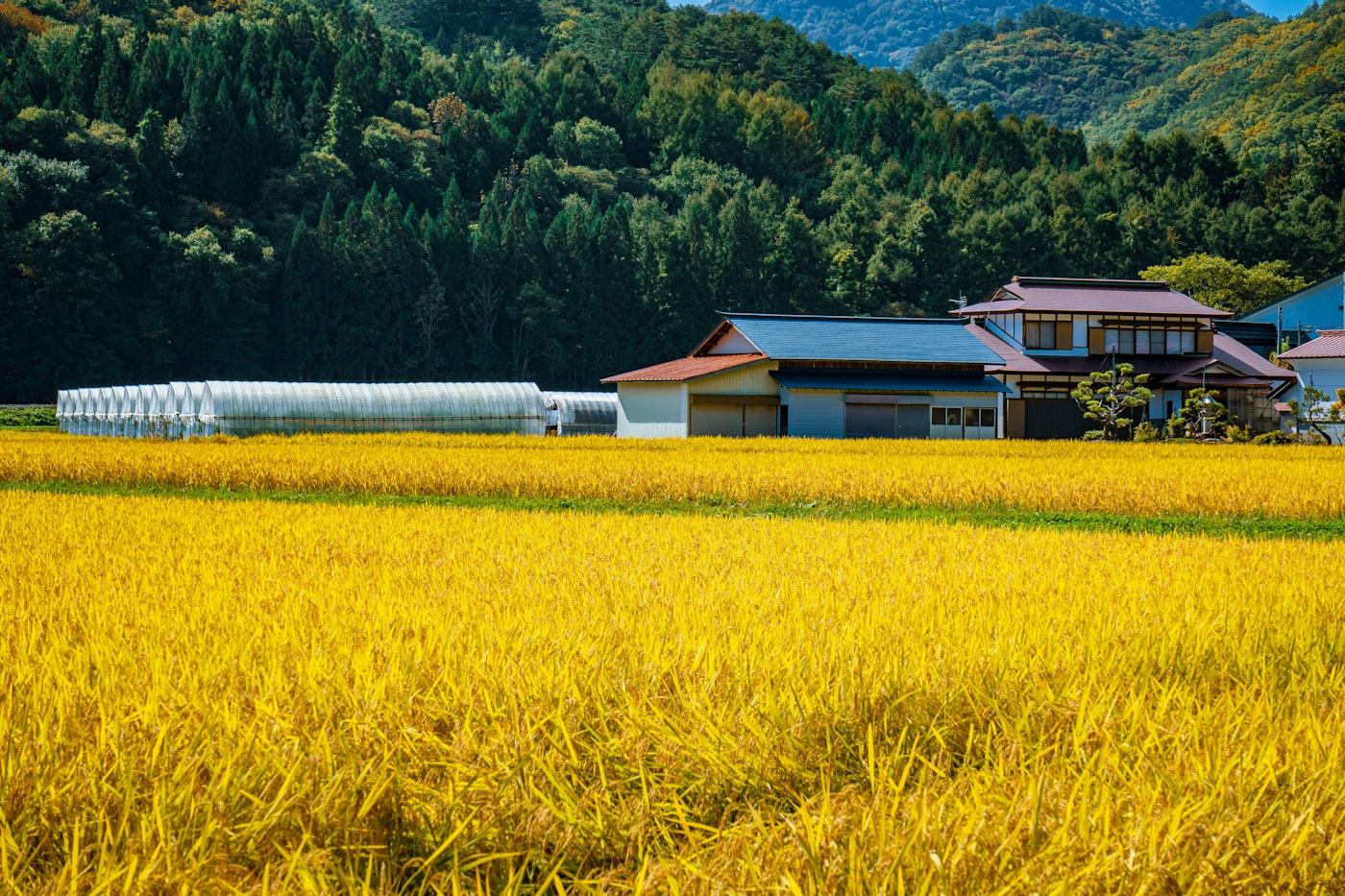
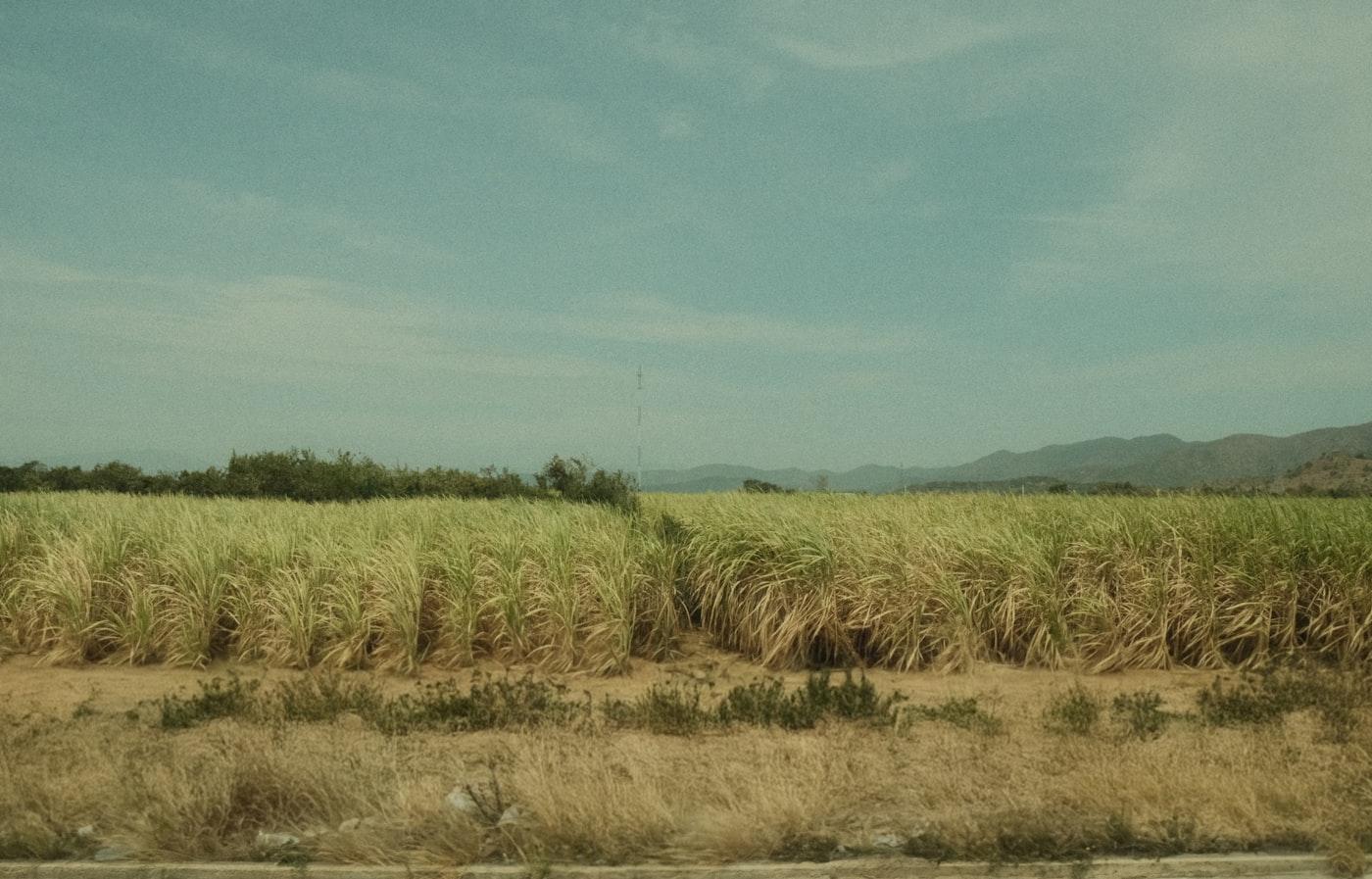
Large-scale agricultural cultivation initiative focused on high-demand staple crops (sugarcane, corn, and rice) utilizing precision farming technologies and modern irrigation systems to maximize harvest efficiency. The program operates across 5,000+ combined hectares: 1,000+ hectares of high-density, mechanized rice production using high-yield hybrid varieties; 1,000+ hectares of sugarcane feeding both sugar refining and bio-ethanol energy feedstock; 1,000+ hectares of corn and maize serving animal feed industries and industrial starch production; a 300+ hectare premium banana plantation targeting domestic supermarket chains and international export routes; and 200 hectares of dedicated silage production ensuring feed security across all livestock operations. Key investment highlights: direct equity backing by physical farmland assets and seasonal harvest yields; long-term supply agreements with regional and international commodity distribution networks; and an integrated crop rotation strategy designed to optimize soil health and output stability. Agriculture represents an essential, inflation-hedged asset class. By operating at scale across 5,000+ combined hectares, WeInvesta achieves substantial economies of scale, lowering per-hectare input costs for fertilizer, seed and machinery while maximizing field yields. Investment terms: minimum investment $1,000.00 USD, lock period 24 months, target return 15% total profit (plan band 15%-23%). Estimated development requirement for the integrated agro hub: US$18.0M.

55% Funded$246,827.65 of $448,210.46

Expected Return

up to 25%

Lock period options

6 months12 months24 months
View Details
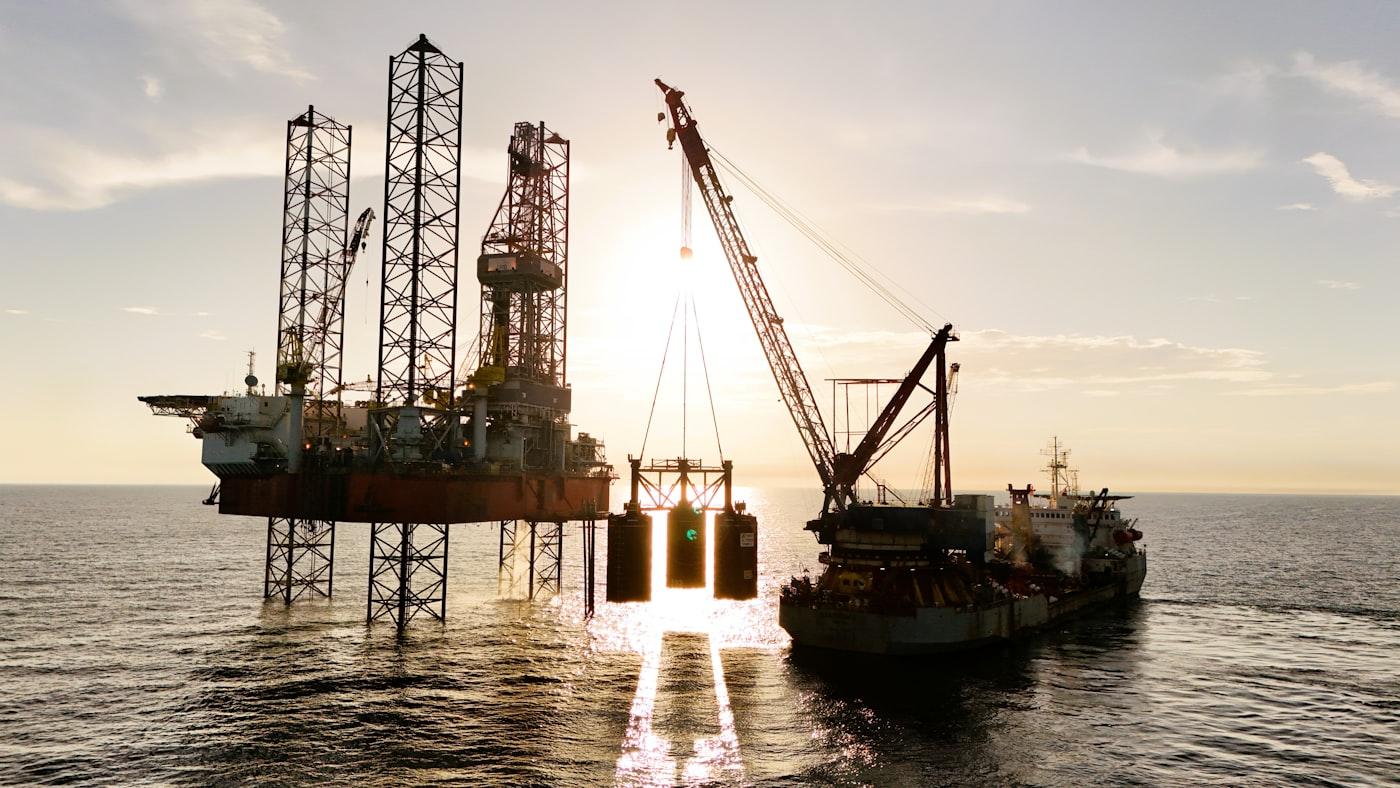
Oil & Gas Exploration Program

Oil & Gas Exploration Program

United States, Canada, Venezuela, Colombia, Guyana, Brazil, Trinidad and Tobago, Namibia

Strategic capital allocation into established natural resource exploration, well development, and regional energy distribution infrastructure designed to capture predictable yield from high energy demand. Key investment highlights: asset-backed infrastructure with secured long-term off-take contracts; managed by experienced energy industry veterans and geological engineering teams; and a strong inflation hedge tied to global energy market benchmarks. Heavy industry and energy form the cornerstone of economic growth. The program targets strategic partnerships in low-risk, proven mineral and energy reserve exploration projects, combining steady income potential with the high upside of natural resource processing to balance overall portfolio risk. Investment terms: minimum investment $1,000.00 USD, lock period 24 months, target return 18% total profit (plan band 18%-25%).

0% Funded$0.00 of $50,000.00

Expected Return

up to 29%

Lock period options

6 months12 months24 months
View Details
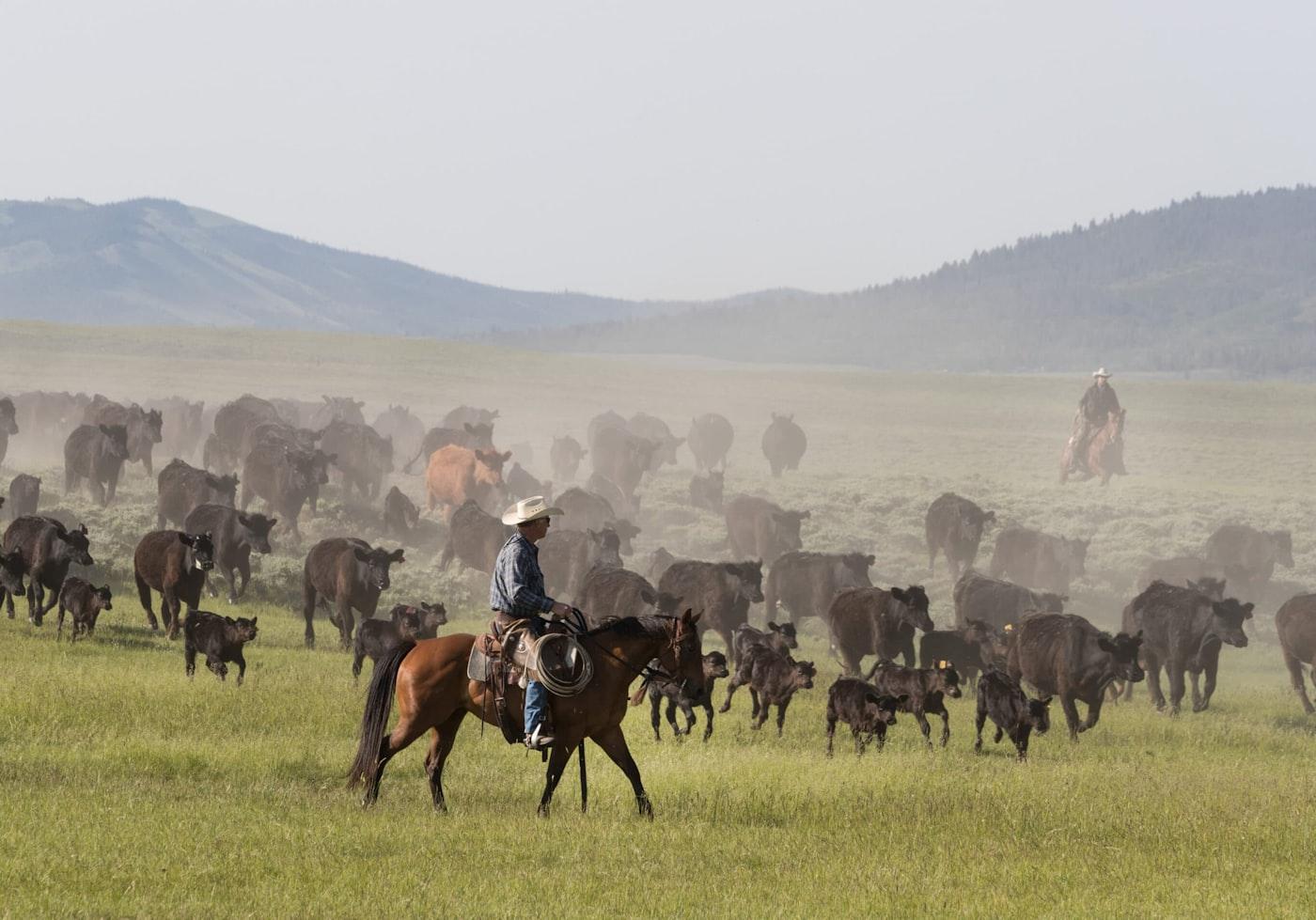
Meat Production & Export Program

Meat Production & Export Program

Poland, Romania, Brazil, Venezuela, Uruguay, Paraguay, Zambia, Uganda

Vertical integration of livestock processing, cold-chain storage logistics, and international export pipelines ensuring premium quality control and consistent cash flow generation. The integrated livestock platform includes a 2,500 head dedicated feedlot and high-yield beef fattening operation with Halal-certified processing; 500 to 1,000 dairy cows powering a modern processing plant for pasteurized milk, artisanal cheese, butter, and yogurt; an intensive breeding and fattening program for 5,000 to 10,000 lambs, sheep, and goats; and dual-stream poultry facilities featuring 10,000-30,000 broiler chickens plus 50,000 layer hens for continuous daily egg output. Key investment highlights: established processing facilities with export-grade safety and quality certifications; direct access to high-margin export markets across Latin America and international hubs; and a shorter 18-month liquidity timeline compared to standard industrial projects. Protein and dairy consumption show consistent inelastic demand across global markets. Integrating crop production, silage fodder, livestock, and waste conversion into a closed loop drives operational efficiency, immunizes the operation against feed price spikes, and yields multiple daily cash-flow revenue streams. Investment terms: minimum investment $1,000.00 USD, lock period 18 months, target return 16% total profit (plan band 16%-25%). Related processing and cold-chain CAPEX within the integrated hub: US$4.3M.

64% Funded$68,775.86 of $107,072.50

Expected Return

up to 26%

Lock period options

6 months12 months24 months

View Details
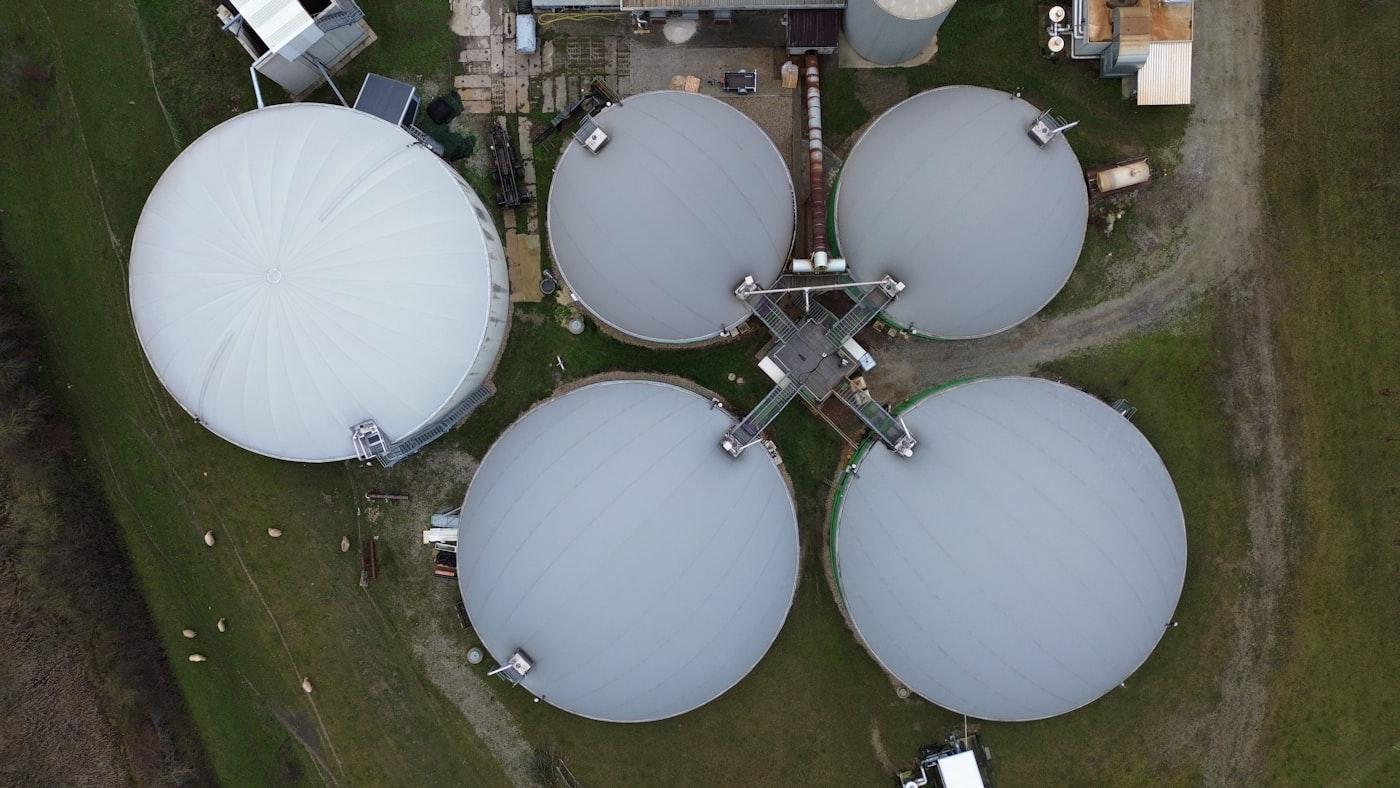
Agri-Waste & Bio-Energy Recycling

Agri-Waste & Bio-Energy Recycling

Brazil, Colombia, India, Indonesia, Venezuela, Kenya, South Africa, Nigeria

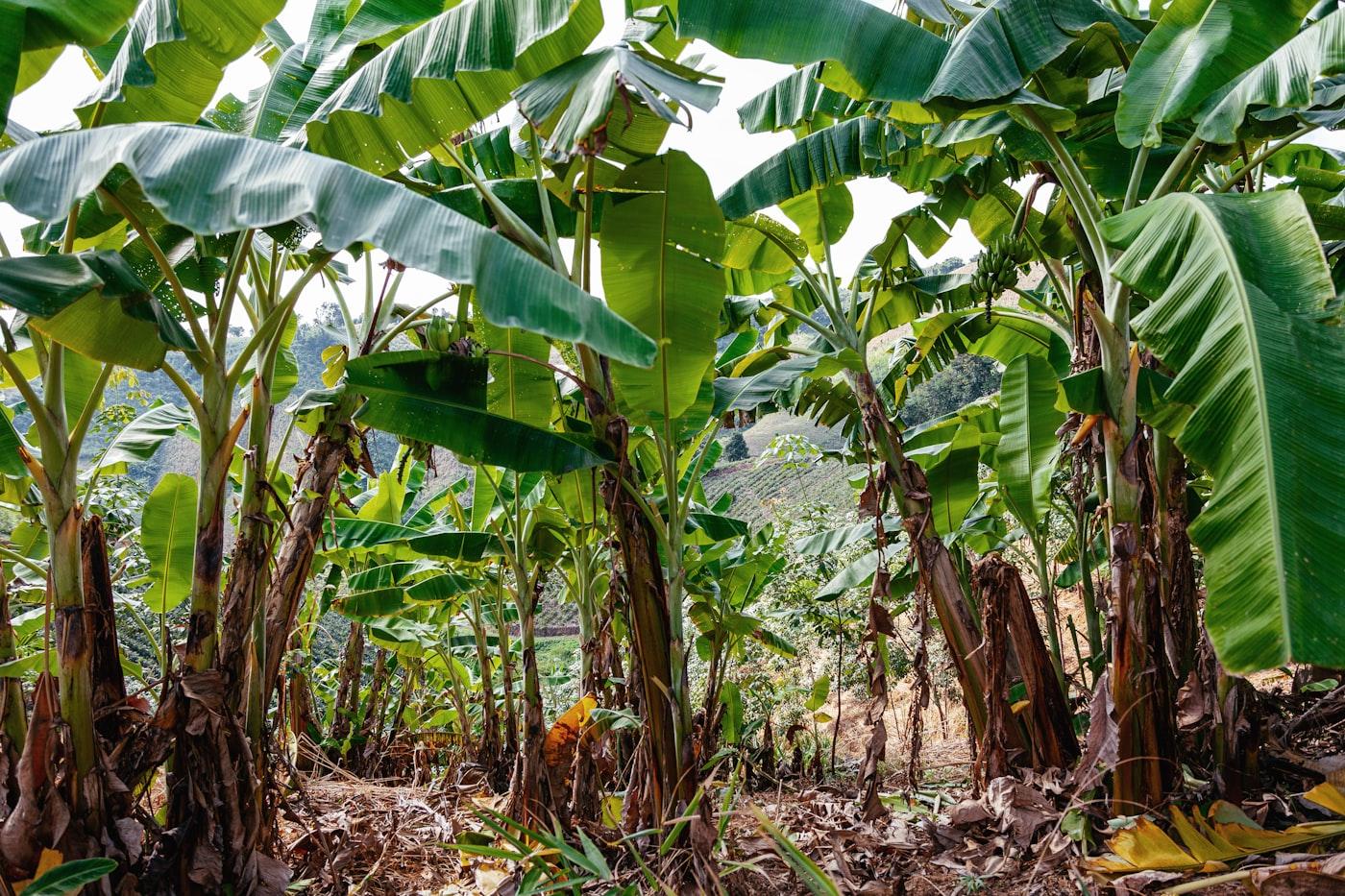
Sustainable environmental program that processes organic agricultural waste into clean bio-energy, eco-textiles, and reusable industrial raw materials. The program spans three circular-economy operations: rice bran oil production with a processing capacity of 15,000 to 20,000 liters per day of high-value, heart-healthy edible oil extracted from rice milling byproducts; organic banana fiber extraction upcycling banana tree trunks into high-tensile natural fibers for eco-textiles, paper, and industrial packaging; and sugarcane waste (bagasse) recycling converting sugarcane fiber waste into green bio-energy, paper pulp, and biodegradable tableware. Key investment highlights: dual revenue streams from waste processing fees and secondary material sales; strong ESG compliance attracting institutional clean-tech capital; and low raw material acquisition costs with sustainable long-term feedstocks. By capturing value from farm byproducts that traditional farmers discard, this sector converts zero-cost or low-cost raw waste into high-margin industrial commodities. This circular economy model creates exceptional profit margins while dramatically improving environmental sustainability scores. Investment terms: minimum investment $1,000.00 USD, lock period 18 months, target return 15% total profit (plan band 15%-23%). Combined CAPEX across the rice bran oil, banana fiber and bagasse plants: US$5.8M.

0% Funded$0.00 of $144,423.37

Expected Return

up to 25%

Lock period options

6 months12 months24 months

View Details
Next-Gen AI & Enterprise Automation

Next-Gen AI & Enterprise Automation

United States, United Kingdom, Estonia, Lithuania, Germany, Singapore, UAE, India

High-yield technology venture backing enterprise artificial intelligence platforms, machine learning automation tools, and proprietary digital infrastructure. The technology portfolio covers AI-driven, on-demand digital mobile platforms including ride-hailing and intelligent fleet management apps, short-term and commercial real estate rental platforms, integrated smart tours and travel booking ecosystems, on-demand domestic and commercial facility management apps, and specialized B2B and B2C e-commerce marketplaces, alongside secure, privacy-focused next-generation communications infrastructure with encrypted messaging, video streaming, high-deliverability business email systems, and social networking spaces. Key investment highlights: proprietary software IP with recurring SaaS revenue streams; a high-scalability model servicing corporate logistics, finance, and operational tools; and exponential growth upside managed by elite tech development teams. Tech ecosystems offer exponential scalability without proportional capital expenditure increases. While physical assets provide steady, asset-backed stability, digital platforms provide high-upside valuation potential, generating strong cash flows through SaaS models, transaction fees, and digital advertising revenue. Investment terms: minimum investment $1,000.00 USD, lock period 24 months, target return 22% estimated growth (plan band 22%-30%). Estimated build-phase CAPEX: US$6.0M-US$8.0M over the first three years.

0% Funded$0.00 of $199,204.65

Expected Return

up to 35%

Lock period options

6 months12 months24 months
View Details
Digital Money Exchange & Neo-Banking

Digital Money Exchange & Neo-Banking

United Kingdom, Lithuania, Latvia, Singapore, UAE

Financial technology ecosystem powering cross-border money exchange, digital remittance infrastructure, and B2B transactional payment networks. The platform is a native digital banking ecosystem enabling zero-friction, low-fee cross-border remittances, merchant payments, and currency exchange for global retail users, with multi-currency accounts and instant B2B trade settlements. Key investment highlights: monetization through micro-transaction volume and liquidity spread margins; direct integration with global commercial and retail trading corridors; and high demand driven by international trade settlement needs. The rollout is phased: Phase 1 launches on a licensed Banking-as-a-Service partner with white-label core banking, card issuing, KYC/AML systems and remittance rails; Phase 2 pursues direct banking or EMI licensing with regulatory capital, treasury management, and microfinance expansion once customer traction and compliance maturity are established. Investment terms: minimum investment $1,000.00 USD, lock period 24 months, target return 20% total profit (plan band 20%-27%). Estimated CAPEX: US$10.5M-US$14.5M across both phases.

0% Funded$0.00 of $361,058.43

Expected Return

up to 32%

Lock period options

6 months12 months24 months
View Details
Rice Bran Oil Production Project

Rice Bran Oil Production Project

Brazil, Venezuela, Paraguay, India

Commercial extraction and refining facility converting fresh rice bran byproduct into premium, heart-healthy cooking oil and de-oiled rice bran (DORB) for high-value animal feed markets. Key investment highlights: direct feedstock sourcing integration with internal and regional auto rice mills; high domestic and export demand driven by healthy lifestyle trends; and dual revenue streams from refined edible oil and protein-rich DORB exports. The rice bran oil project monetizes a low-cost agricultural byproduct by converting fresh rice bran into edible oil and de-oiled bran for feed markets. The project benefits from integration with rice production and milling activities, reducing feedstock risk and creating circular value from crop processing. Business plan: build a mid-size extraction facility with bran stabilization, storage, extraction, filtration, refining, packing, utilities and quality control. The plant starts with domestic edible-oil sales and animal feed byproducts before expanding into export markets. Commercial strategy: use cost-effective scale to prove margins, then reinvest profits into expanded refining and branded packaging. Byproduct DORB supports livestock feed, improving the wider agriculture ecosystem. Risk disclosure: risks include bran freshness deterioration, lower oil yield, power cost, food safety compliance, refinery quality issues, domestic edible-oil price competition, packaging cost inflation, regulatory approval, equipment downtime and feedstock seasonality. Investment terms: minimum investment $1,000.00 USD, lock-in period 24 months, target return 17% total profit. Estimated investment requirement: US$1.50M-US$2.20M.

0% Funded$0.00 of $54,781.28

Expected Return

up to 28%

Lock period options

6 months12 months24 months
View Details
Organic Banana Fiber & Musa Silk Extraction Project

Organic Banana Fiber & Musa Silk Extraction Project

India, Ecuador, Colombia, Venezuela, Uganda

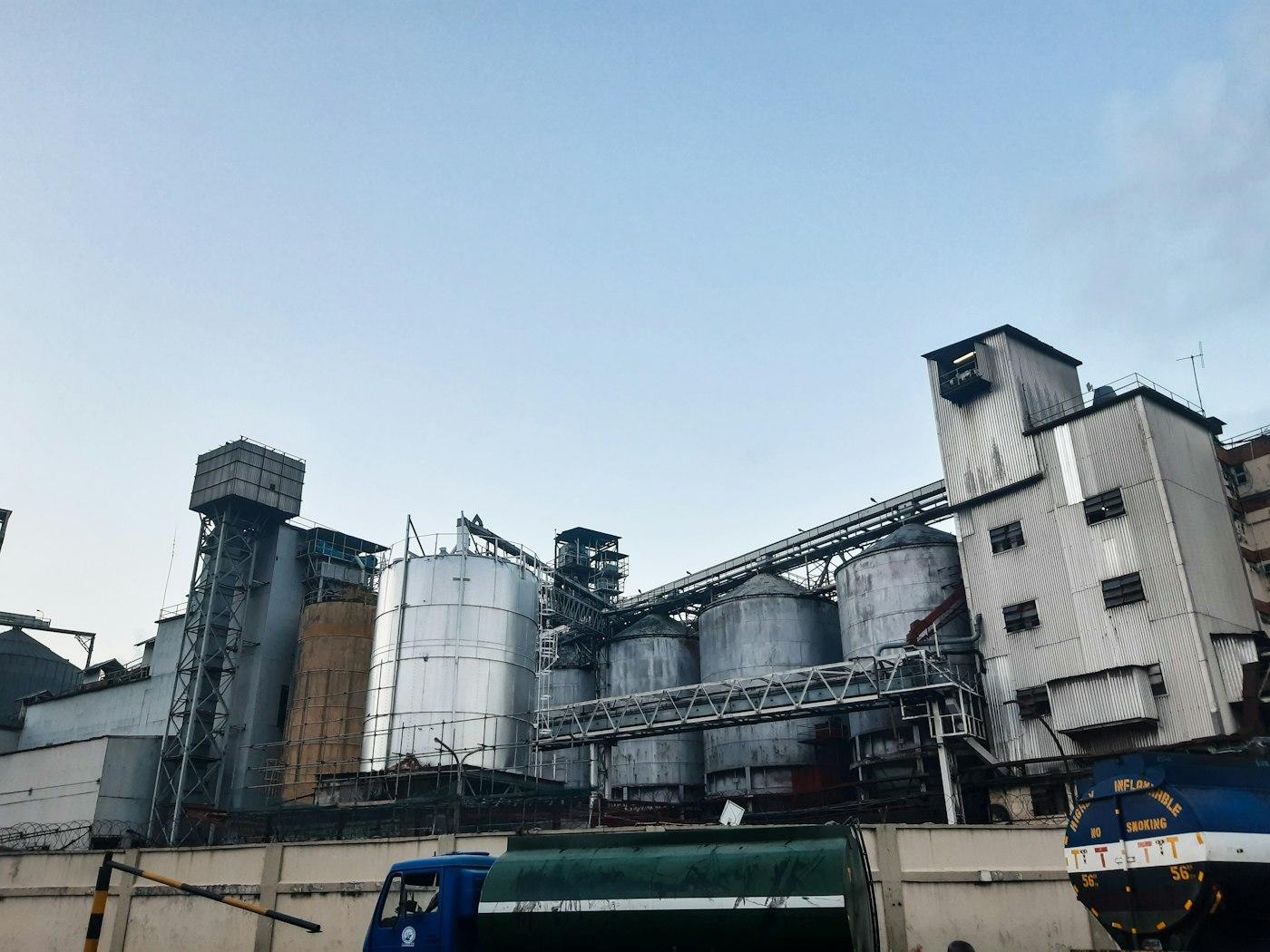
Eco-friendly extraction facility processing discarded banana pseudostems into high-tensile Musa textile fibers and luxury banana silk for global sustainable fashion and handicraft sectors. Key investment highlights: zero-waste circular model turning agricultural waste into premium natural fiber; supplies international sustainable apparel manufacturers and eco-paper producers; and low raw material acquisition costs with strong ESG alignment. The banana fiber project converts agricultural waste into sustainable textile and eco-product raw material. By collecting discarded banana pseudostems and processing them into fiber, the project creates circular-economy value while supporting global demand for biodegradable and plant-based materials. Business plan: install decorticator machines, washing, drying, degumming, baling and packing units with collection trucks or gondolas. Start with raw and semi-processed fiber sales, then move into refined fiber, blended yarn inputs and eco-packaging materials. Commercial strategy: target sustainable fashion, handicraft, paper, packaging and export buyers. Low-cost raw material collection supports strong margins if quality and moisture control are maintained. Risk disclosure: risks include inconsistent raw material supply, fiber quality variation, drying constraints during wet seasons, buyer qualification delays, machinery maintenance, labor intensity, export certification, transport cost and competition from other natural fibers. Investment terms: minimum investment $1,000.00 USD, lock-in period 18 months, target return 16% total profit. Estimated investment requirement: US$0.90M-US$1.40M.

0% Funded$0.00 of $50,000.00

Expected Return

up to 26%

Lock period options

6 months12 months24 months
View Details
Sugarcane Waste (Bagasse) Recycling Project

Sugarcane Waste (Bagasse) Recycling Project

Brazil, India, Venezuela, Thailand, China

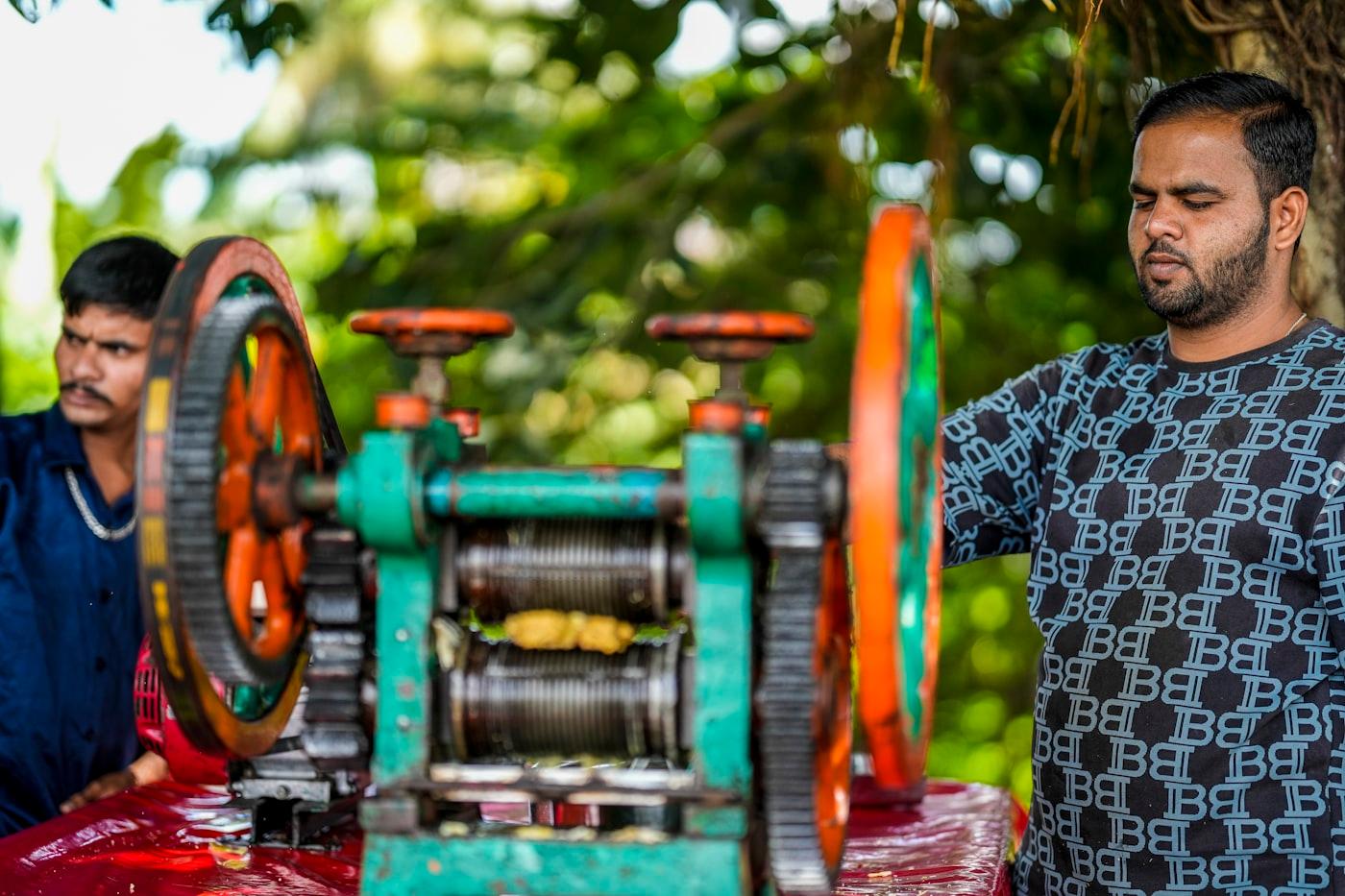
Industrial recycling operations repurposing sugarcane bagasse into biodegradable molded tableware, paper pulp, and eco-friendly bio-pellets for industrial clean energy production. Key investment highlights: direct synergy with sugarcane pressing operations across 5,000+ hectares of farmland; high global demand for plastic-replacement eco-packaging and green bio-fuel; and guaranteed feedstock security with reduced environmental compliance overheads. This project converts sugarcane bagasse into biodegradable tableware, paper pulp, packaging boards and bio-pellets. It strengthens the circular economy model by turning sugarcane processing waste into commercially saleable materials with demand from food service, packaging, paper and clean-energy buyers. Business plan: install drying, pulping, molding, pressing, cutting, sterilizing and packaging lines. Secure feedstock from sugarcane pressing operations and external mills. Begin with molded tableware and pulp products, then expand into pellets and industrial packaging. Commercial strategy: target restaurants, supermarkets, exporters, eco-packaging distributors and institutional buyers replacing plastic. Use internal sugarcane operations to reduce raw material cost and improve supply security. Risk disclosure: risks include moisture control failure, inconsistent bagasse quality, equipment downtime, buyer certification delays, plastic substitute price competition, fire risk, storage risk, environmental permitting and seasonal feedstock availability. Investment terms: minimum investment $1,000.00 USD, lock-in period 18 months, target return 15% total profit. Estimated investment requirement: US$1.80M-US$2.80M.

0% Funded$0.00 of $69,721.63

Expected Return

up to 25%

Lock period options

6 months12 months24 months
View Details
High-Capacity Auto Rice Mill Project

High-Capacity Auto Rice Mill Project

Brazil, India, Thailand, Colombia, Guatemala

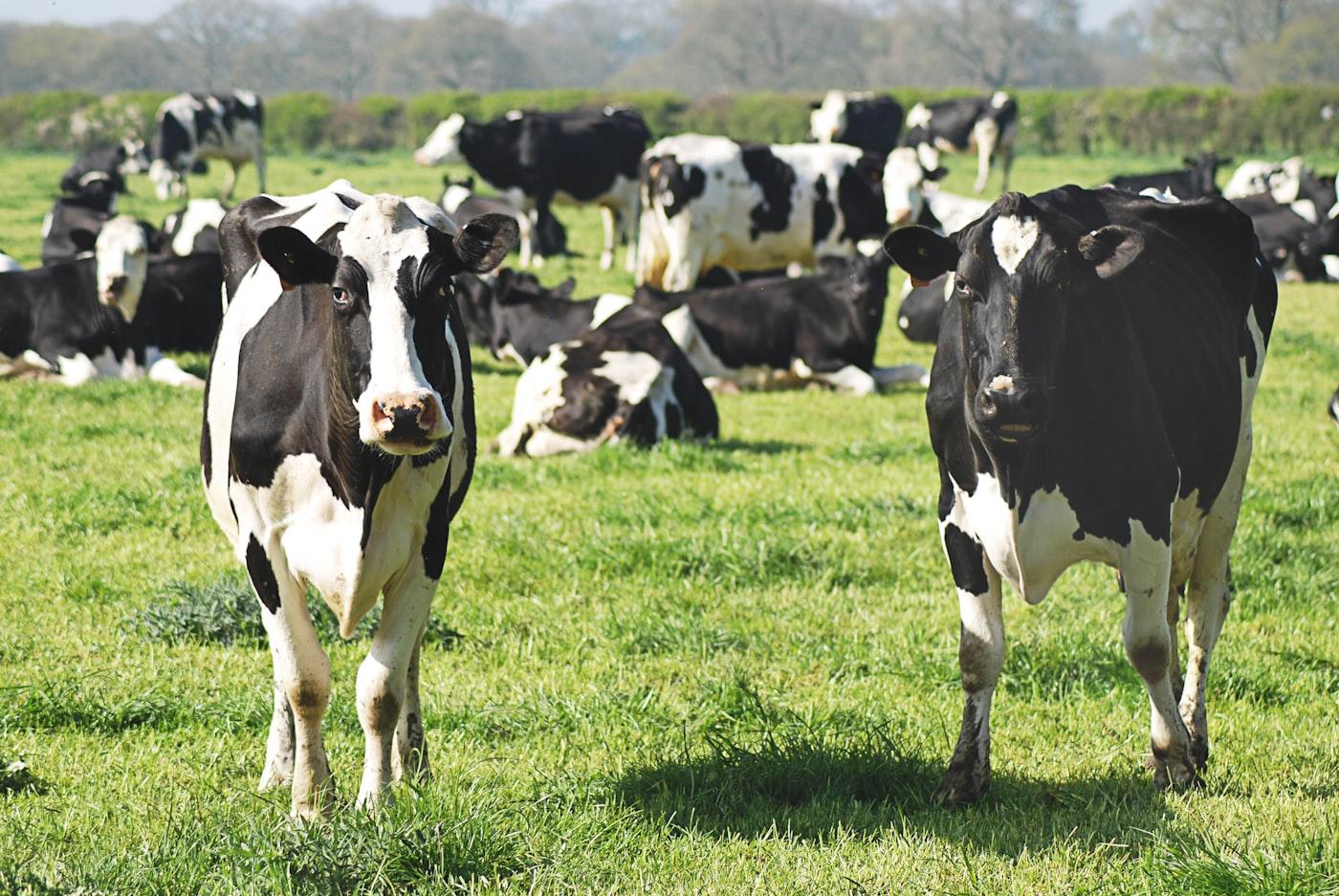
Fully automated rice husking, parboiling, drying, and polishing mill delivering packaged premium grain products while capturing essential side-streams such as rice bran and husk. Key investment highlights: processes paddy directly harvested from 5,000+ hectares of integrated farmland; captures byproduct value from husk and bran; and supplies nationwide wholesale distributors and retail supermarket chains. The auto rice mill creates a modern agro-processing hub for paddy husking, drying, parboiling, polishing, grading and packaging. It captures value from rice, bran and husk while supporting the rice bran oil project and consumer packaged goods distribution. Business plan: develop a fully automated mill with paddy intake, drying yards, parboiling, milling, polishing, color sorting, bagging and warehouse storage. Feedstock comes from internal farmland and regional farmers under purchase agreements. Commercial strategy: sell branded packaged rice, wholesale rice, rice bran to the oil plant and husk for fuel or biomass. Prioritize quality consistency, branded retail packaging and supermarket distribution. Risk disclosure: risks include paddy price fluctuation, crop seasonality, moisture loss, machine downtime, electricity cost, storage pest risk, quality rejection, working capital pressure and competition from established mills. Investment terms: minimum investment $1,000.00 USD, lock-in period 24 months, target return 16% total profit. Estimated investment requirement: US$3.50M-US$5.50M.

0% Funded$0.00 of $136,953.20

Expected Return

up to 26%

Lock period options

6 months12 months24 months
View Details
Sugarcane Pressing & Processing Mill Project

Sugarcane Pressing & Processing Mill Project

Brazil, India, Thailand, Colombia, Guatemala

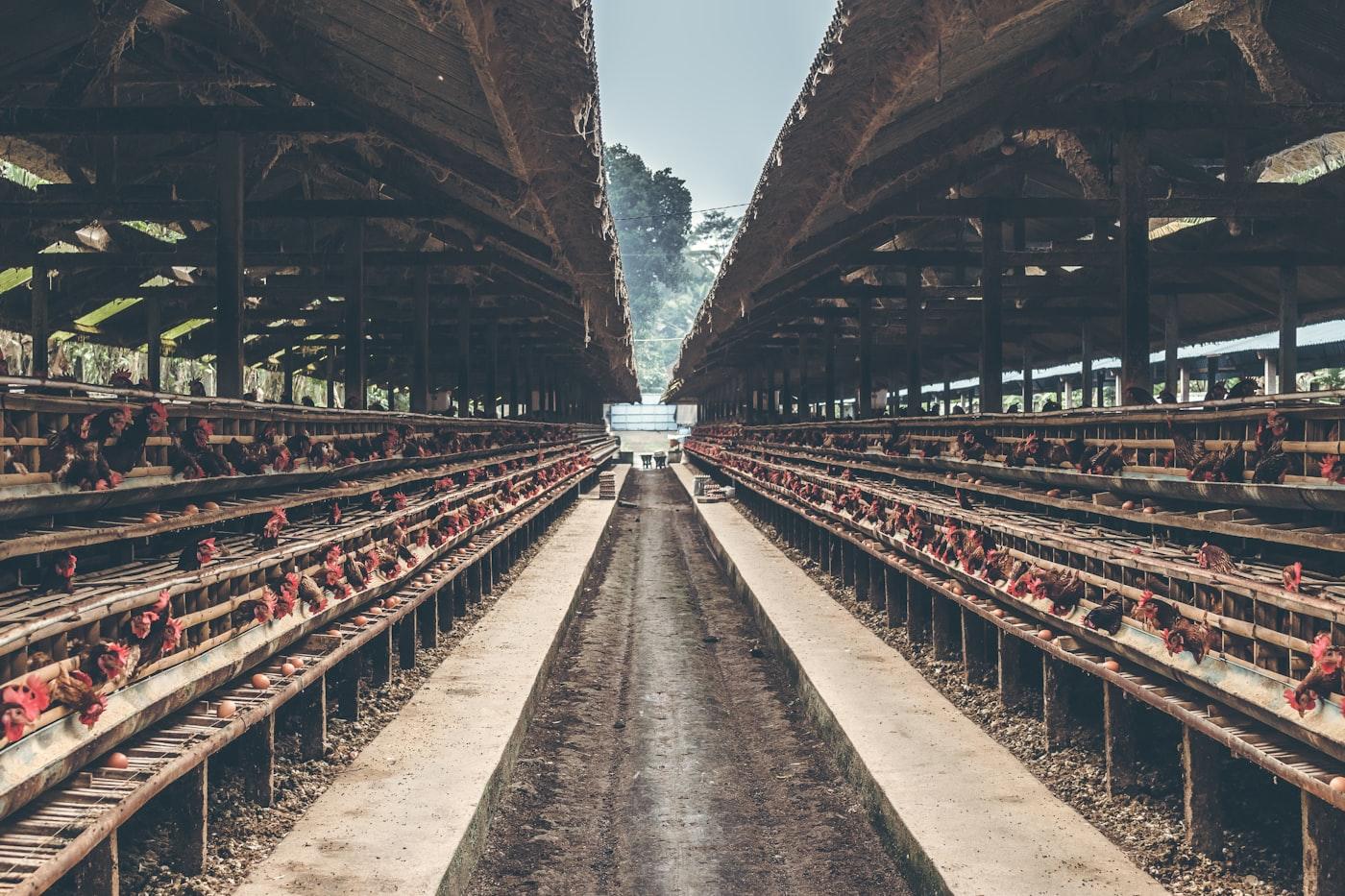
Heavy-duty sugarcane crushing, juice extraction, and refining plant producing raw sugar, ethanol feedstock, and molasses for industrial and consumer food production. Key investment highlights: primary off-taker for estate-grown sugarcane crops; molasses and bagasse outputs feed internal bio-energy and recycling plants; and stable long-term commercial supply contracts with national food manufacturers. The sugarcane mill converts estate-grown and locally sourced cane into raw sugar, molasses, ethanol feedstock and bagasse. It anchors the sugarcane value chain and supplies byproducts to the bagasse recycling and bio-energy components. Business plan: invest in cane reception, washing, crushing, juice clarification, evaporation, crystallization, molasses storage, bagasse handling and quality control. Operate during harvest season with planned maintenance during off-season. Commercial strategy: sell sugar to food manufacturers, wholesalers and retail distributors. Molasses can be sold to feed, fermentation or ethanol buyers, while bagasse supports packaging, paper pulp or fuel products. Risk disclosure: risks include cane yield variability, sugar price volatility, harvest timing, mill stoppage, boiler safety, energy cost, water use, environmental regulation, labor availability and competition from imported sugar. Investment terms: minimum investment $1,000.00 USD, lock-in period 24 months, target return 17% total profit. Estimated investment requirement: US$5.00M-US$8.00M.

0% Funded$0.00 of $199,204.65

Expected Return

up to 28%

Lock period options

6 months12 months24 months
View Details
Dairy & Milk Processing Project

Dairy & Milk Processing Project

India, United States, Brazil, Venezuela, Germany, New Zealand

Integrated dairy farm and modern processing plant producing pasteurized milk, UHT products, butter, ghee, and artisan cheeses for national market distribution. Key investment highlights: cold-chain integrated logistics; defensive daily consumer demand; and value-added dairy processing margins supplementing raw milk yields. The dairy project creates recurring daily cash flow through milk, cheese, butter, ghee, yogurt and other value-added dairy products. It complements the livestock hub by monetizing milk production locally while building a consumer brand. Business plan: build dairy sheds, milking parlors, chilling tanks, pasteurization, cheese-making, packaging, cold storage and distribution systems. Maintain veterinary controls, breeding plans and feed security from internal silage production. Commercial strategy: sell fresh milk and cheese locally for quick cash flow, then add packaged dairy products through supermarkets and direct distribution. Premium cheese can create higher-margin urban and hospitality sales. Risk disclosure: risks include animal disease, milk yield variability, cold-chain failure, contamination, feed cost inflation, spoilage, dairy regulation, consumer price pressure and competition from imported or established dairy brands. Investment terms: minimum investment $1,000.00 USD, lock-in period 24 months, target return 18% total profit. Estimated investment requirement: US$3.00M-US$5.00M.

46% Funded$57,122.81 of $124,502.91

Expected Return

up to 29%

Lock period options

6 months12 months24 months
View Details
Commercial Poultry (Broiler & Layer Egg) Operations

Commercial Poultry (Broiler & Layer Egg) Operations

United States, Brazil, Venezuela, China, UAE, Vietnam, Thailand

Climate-controlled, biosecure poultry facility managing broiler chickens for meat supply and a layer unit dedicated to daily table egg production. Key investment highlights: consistent daily revenue from egg supply and broiler cycles; automated feeding, climate control, and biosecurity systems; and organic waste output feeding internal bio-fertilizer production. The poultry project provides fast-cycle protein production through broiler meat and layer egg operations. It is designed as a defensive food-demand business with regular cash turnover and strong synergy with feed, biosecurity and bio-fertilizer operations. Business plan: develop climate-controlled broiler sheds, layer houses, feed storage, water systems, vaccination protocols, waste handling and processing channels. Operate batch cycles to maintain continuous market supply. Commercial strategy: sell broiler chicken, eggs and processed poultry locally while using waste for bio-fertilizer. Build retail and wholesale channels through supermarkets, restaurants and institutional buyers. Risk disclosure: risks include disease outbreak, feed price inflation, mortality, temperature control failure, vaccination failure, regulatory compliance, market price swings, odor management and biosecurity breaches. Investment terms: minimum investment $1,000.00 USD, lock-in period 18 months, target return 16% total profit. Estimated investment requirement: US$1.50M-US$2.50M.

55% Funded$34,273.68 of $62,251.45

Expected Return

up to 26%

Lock period options

6 months12 months24 months
View Details
Bio-Fertilizer Plant Project

Bio-Fertilizer Plant Project

India, Brazil, UAE, United States, Georgia

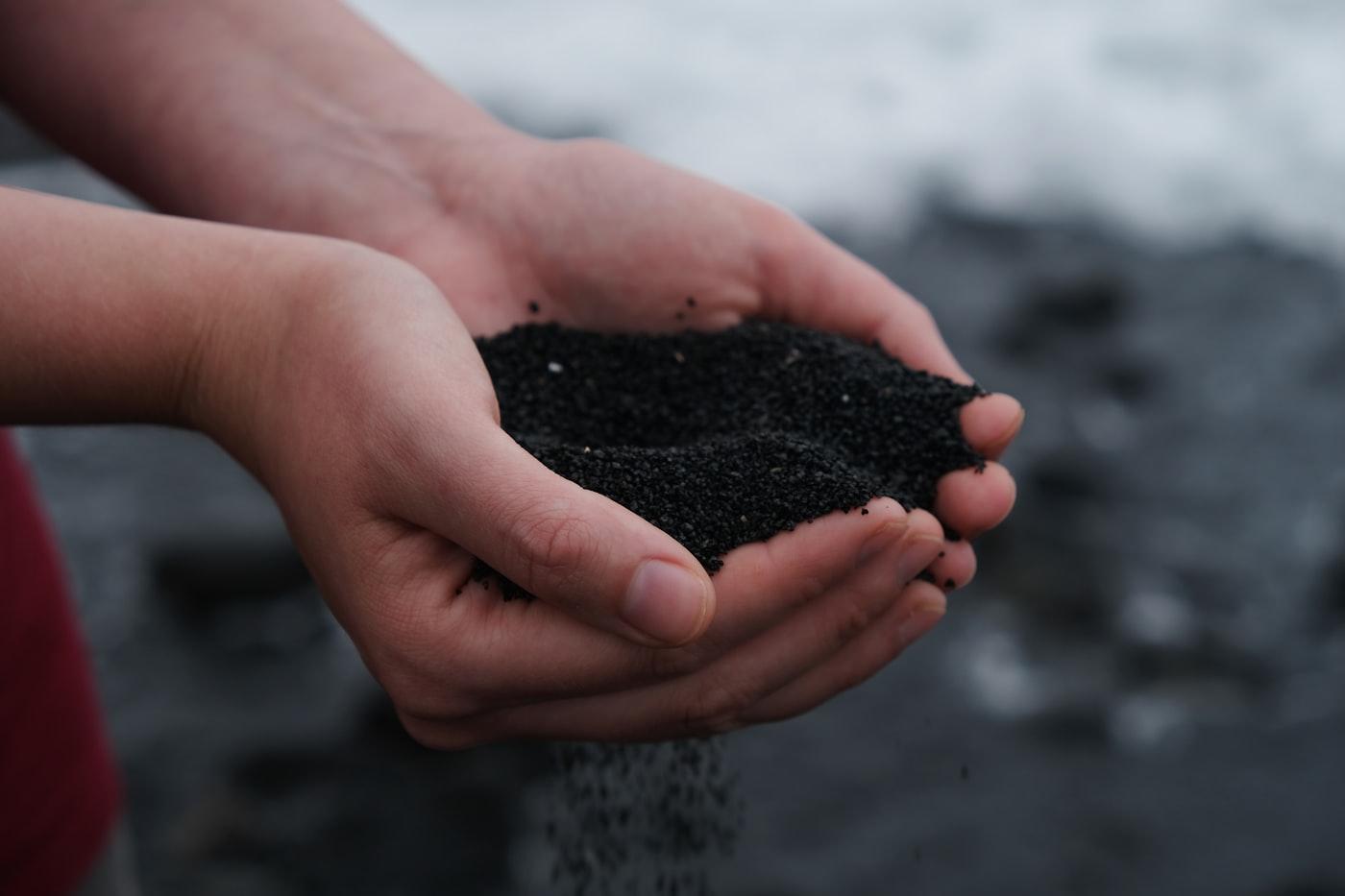
Organic processing plant converting daily poultry and livestock waste into high-grade organic bio-fertilizer to replace chemical fertilizers across 5,000+ hectares of farmland. Key investment highlights: reduces input costs; restores soil microbial health and improves crop yields; and enables commercial distribution of surplus bio-fertilizer to external markets. The bio-fertilizer plant transforms livestock and poultry waste into organic fertilizer, reducing chemical input cost and creating a secondary revenue stream. It supports regenerative agriculture, improves soil health and strengthens the circular economy profile of the portfolio. Business plan: install waste collection, composting, fermentation, drying, granulation, screening, bagging and storage facilities. Use internal farm waste first, then buy external organic waste where economical. Commercial strategy: use fertilizer internally to lower crop cost and sell surplus to farmers, plantations and organic agriculture distributors. Branding highlights soil health, yield support and circular production. Risk disclosure: risks include odor complaints, contamination, inconsistent nutrient levels, regulatory registration, pathogen control, moisture management, low farmer adoption, storage issues and seasonal demand variation. Investment terms: minimum investment $1,000.00 USD, lock-in period 18 months, target return 15% total profit. Estimated investment requirement: US$0.70M-US$1.20M.

0% Funded$0.00 of $50,000.00

Expected Return

up to 25%

Lock period options

6 months12 months24 months
View Details
Scrap Metal & Minerals Processing & Recycling Project

Scrap Metal & Minerals Processing & Recycling Project

UAE, Turkey, India, Vietnam, Georgia

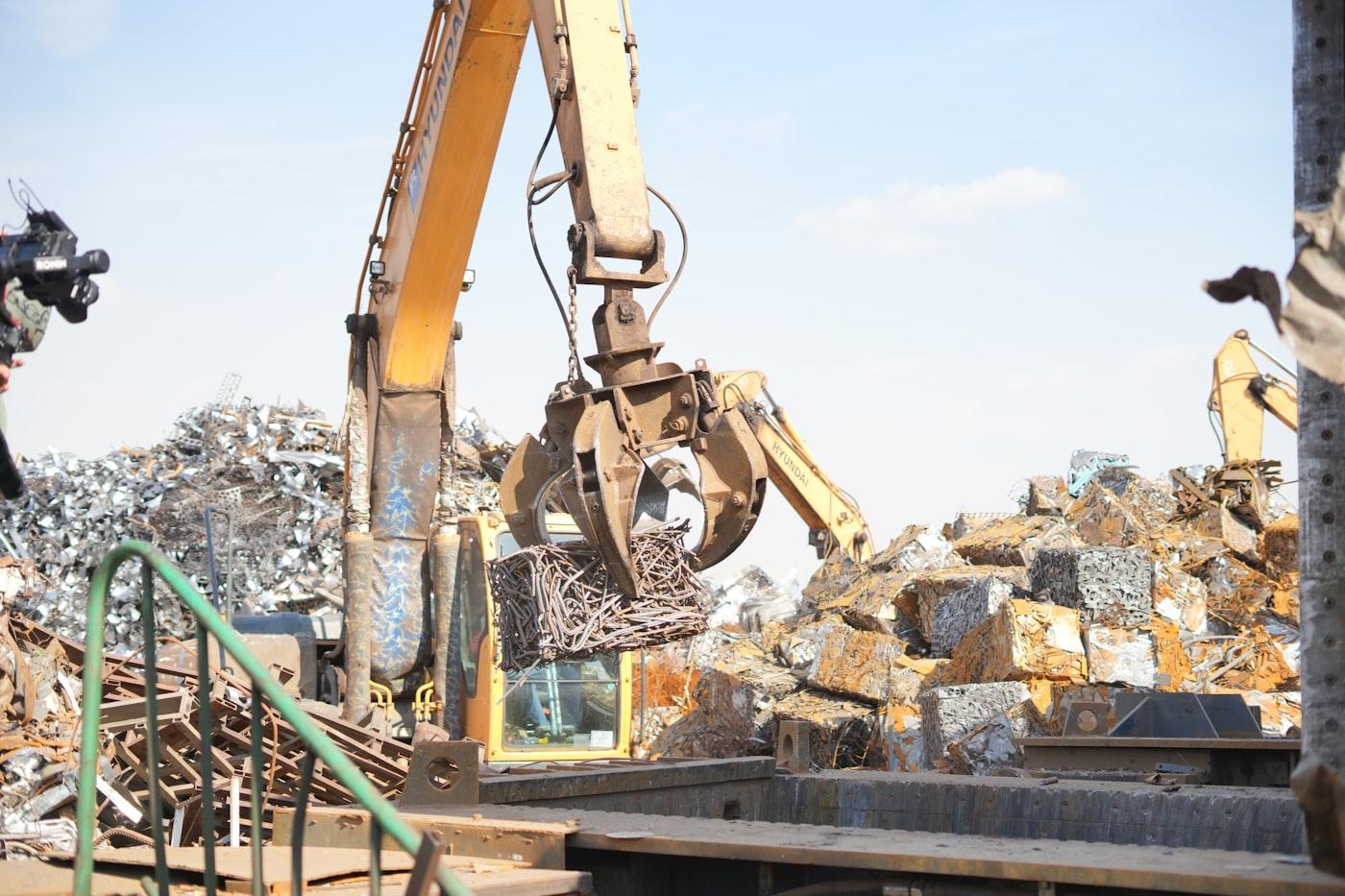
Industrial scrap recovery and mineral processing facility specializing in sorting, shredding, and refining ferrous and non-ferrous metals for manufacturing and export markets. Key investment highlights: direct supply into steel re-rolling mills and construction; strategic containerized export shipping contracts; and high capital efficiency through continuous industrial raw material recycling. This project is designed as a fast-cash industrial recycling operation purchasing scrap metal, sorting and processing it, shredding light scrap, loading containers and exporting to repeat buyers. The business converts fragmented local scrap collection into standardized exportable material with higher buyer confidence and recurring shipment cycles. Business plan: secure a warehouse, recycling yard, truck fleet, grabber crane, sorting equipment, medium-size shredder and working capital for the first 5,000 tons. The first shipment may require 60 days for buyer quality approval; afterward the business targets 30-40 day shipment cycles and 5,000 tons monthly export volume. Commercial strategy: revenue depends on buy-sell spread, tonnage turnover, quality sorting, non-ferrous recovery and repeat export buyer agreements. The medium shredder lowers capital burden while increasing the resale value of light scrap. This project acts as the portfolio's early cash-flow engine. Risk disclosure: risks include commodity price volatility, buyer rejection, contamination, theft, environmental compliance, export documentation delays, container availability, working capital lock-up, machinery breakdown, yard safety incidents and foreign exchange movement. Investment terms: minimum investment $1,000.00 USD, lock-in period 24 months, target return 19% total profit. Estimated investment requirement: US$5.00M-US$6.00M.

0% Funded$0.00 of $149,403.49

Expected Return

up to 31%

Lock period options

6 months12 months24 months
View Details
Steel Manufacturing & Re-Rolling Mills Project

Steel Manufacturing & Re-Rolling Mills Project

India, UAE, Saudi Arabia, Turkey, Vietnam

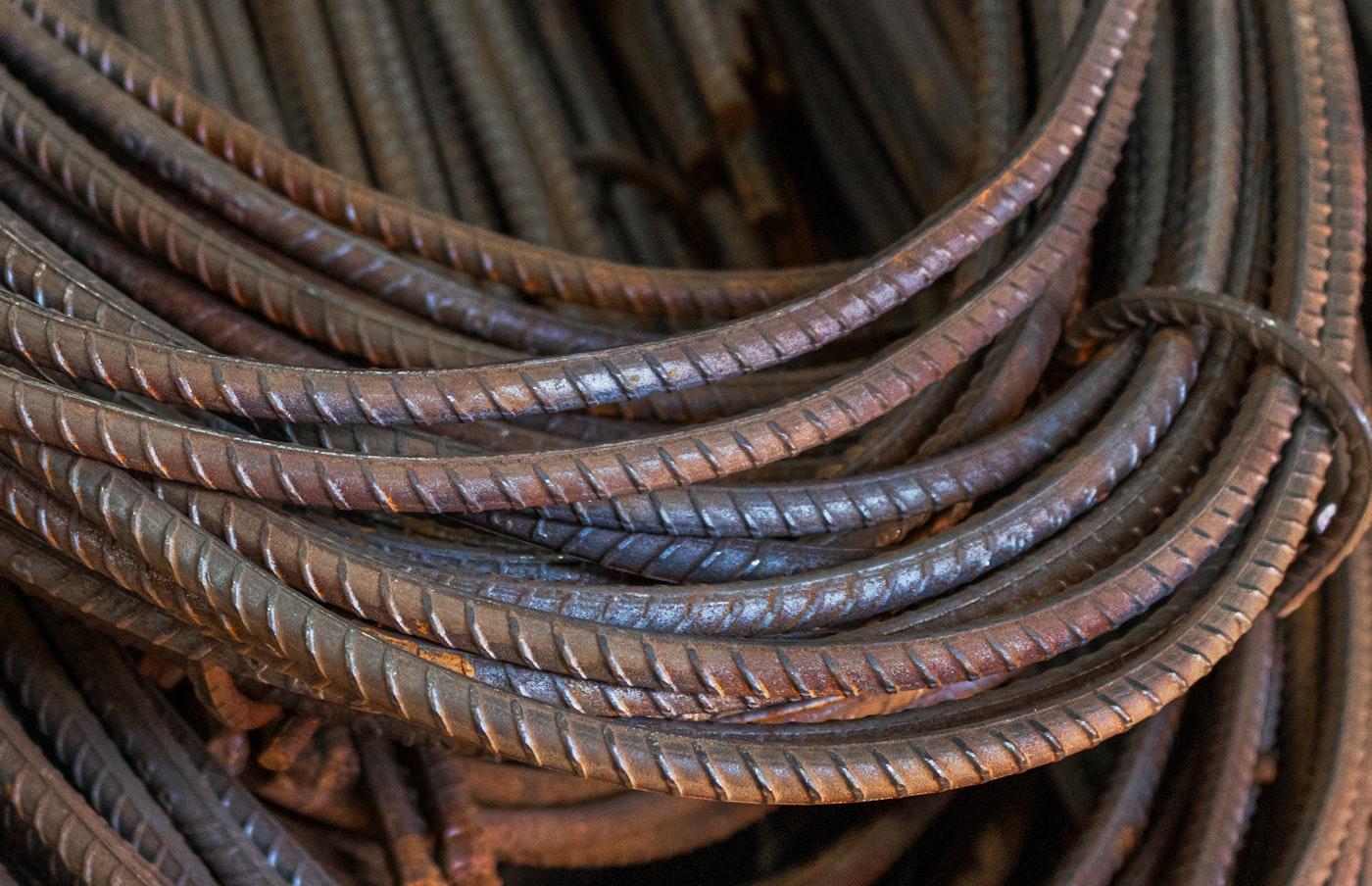
High-capacity automated steel mill producing structural rebar, angle bars, and industrial steel sections to meet expanding urban infrastructure and commercial development demands. Key investment highlights: essential asset class for infrastructure and real estate growth; backward integrated with internal scrap processing; and a high-barrier-to-entry operation with strong pricing power. The steel manufacturing and re-rolling project converts scrap and billets into rebar, angle bars and structural steel for construction and infrastructure markets. It benefits from backward integration with the scrap recycling project and demand from industrial development. Business plan: develop furnace or billet procurement capability, reheating furnace, rolling mill, cutting, cooling bed, testing, bundling and dispatch systems. Start with rebar and basic sections before expanding to higher-margin products. Commercial strategy: sell to contractors, developers, infrastructure projects and distributors. Internal scrap supply can reduce raw material risk and improve margin control. Risk disclosure: risks include high power cost, scrap price volatility, environmental compliance, emissions control, safety incidents, machinery breakdown, construction market slowdown, working capital demand and regulatory approvals. Investment terms: minimum investment $1,000.00 USD, lock-in period 24 months, target return 20% total profit. Estimated investment requirement: US$12.00M-US$20.00M.

0% Funded$0.00 of $498,011.62

Expected Return

up to 32%

Lock period options

6 months12 months24 months
View Details
Industrial Parks, Cold Storage Hubs & Commercial Real Estate

Industrial Parks, Cold Storage Hubs & Commercial Real Estate

India, UAE, Vietnam, United States, Brazil

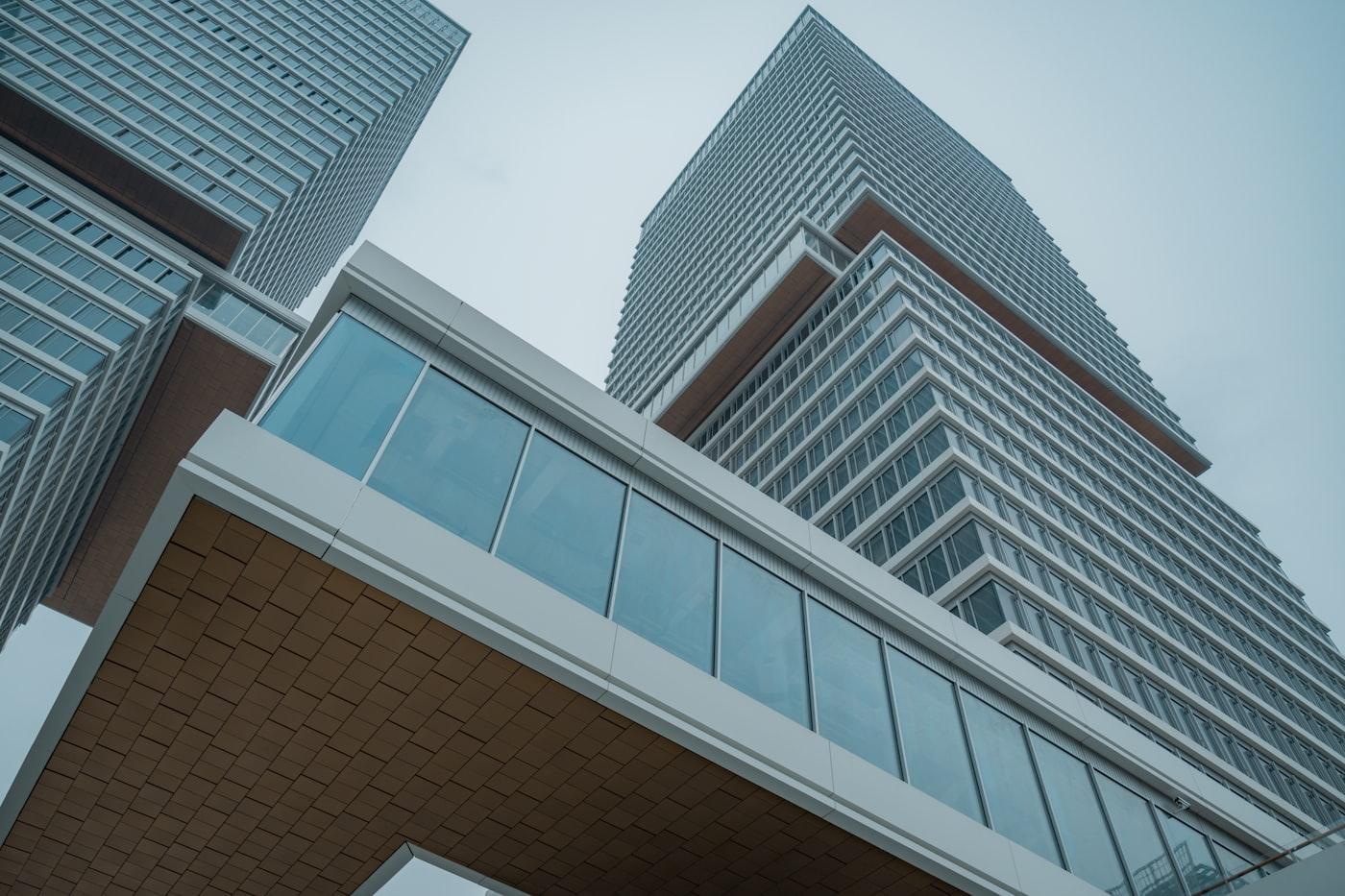
Development and acquisition of high-occupancy industrial logistics parks, temperature-controlled cold storage hubs, and prime commercial retail real estate. Key investment highlights: recurring rental yields from long-term corporate leases; critical infrastructure supporting cold-chain food security; and capital appreciation from strategic commercial land ownership. This project develops income-producing infrastructure including industrial parks, cold storage hubs, logistics warehouses and commercial real estate. It supports portfolio operations while creating rental income and asset appreciation. Business plan: acquire or develop strategic land, construct warehouse units, cold rooms, loading bays, utilities, access roads and tenant-ready industrial facilities. Lease space to internal projects and external tenants. Commercial strategy: generate income from rent, cold storage fees, handling charges, utility service charges and long-term corporate leases. Prioritize food, logistics, export and manufacturing tenants. Risk disclosure: risks include construction delay, cost overrun, tenant vacancy, cold storage energy cost, refrigeration failure, property title issues, zoning restrictions, maintenance cost and real estate market downturn. Investment terms: minimum investment $1,000.00 USD, lock-in period 24 months, target return 18% total profit. Estimated investment requirement: US$8.00M-US$15.00M.

0% Funded$0.00 of $373,508.72

Expected Return

up to 29%

Lock period options

6 months12 months24 months
View Details
End-to-End Transport, Cold-Chain & Maritime Logistics

End-to-End Transport, Cold-Chain & Maritime Logistics

Multi-Region

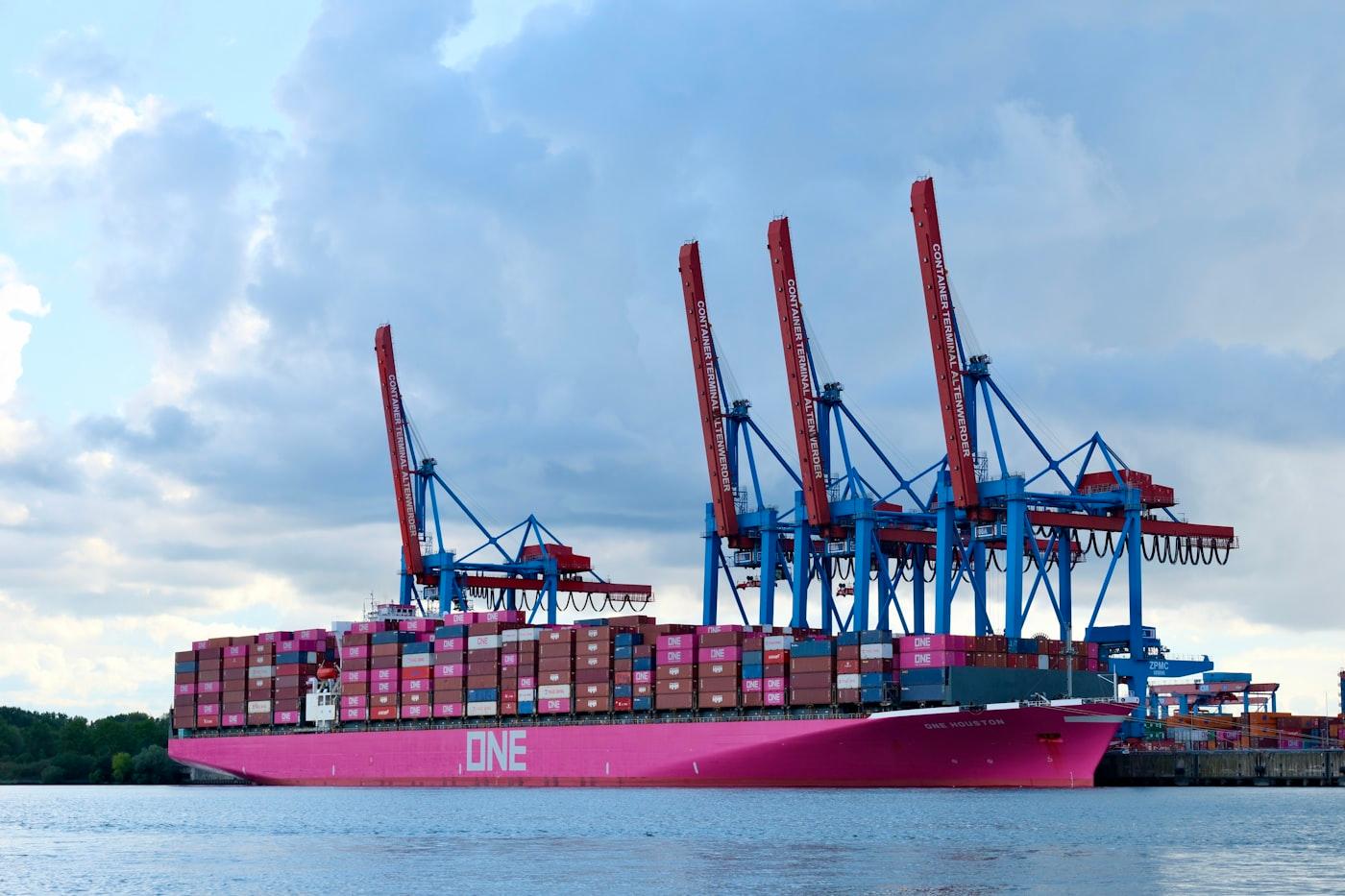
Comprehensive supply chain infrastructure incorporating fleet management, refrigerated cold-chain trucks, containerized shipping logistics, and international maritime cargo transport. Key investment highlights: seamless transport from farms and factories to export hubs; container allocation agreements with tier-1 shipping lines; and reduced post-harvest loss through refrigerated transit. The logistics project connects farms, factories, warehouses, ports and export buyers through refrigerated trucks, container handling, fleet management and maritime coordination. It reduces spoilage and supports export reliability. Business plan: acquire trucks, refrigerated vehicles, trailers, container loading equipment, tracking systems and logistics software. Build dispatch teams and service-level agreements with internal projects and external clients. Commercial strategy: earn revenue from freight charges, cold-chain delivery, container handling, port coordination, route optimization and third-party logistics contracts. Risk disclosure: risks include fuel volatility, vehicle downtime, driver shortage, accident liability, cargo loss, temperature excursion, port delays, insurance cost, route disruption and customer payment delays. Investment terms: minimum investment $1,000.00 USD, lock-in period 24 months, target return 19% total profit. Estimated investment requirement: US$4.00M-US$7.00M.

0% Funded$0.00 of $174,304.07

Expected Return

up to 31%

Lock period options

6 months12 months24 months

View Details
Neo-Banking & Cross-Border Money Transfer Platform

Neo-Banking & Cross-Border Money Transfer Platform

Global (Digital)

Digital banking architecture facilitating low-cost remittance corridors, instant cross-border B2B trade settlements, multi-currency accounts, and merchant payment gateways. Key investment highlights: transaction-margin upside from money exchange and remittance corridors; scalable cloud-native architecture; and strong retention through digital wallets and business exchange tools. The fintech platform is positioned as a branded digital banking and remittance ecosystem serving non-resident customers, freelancers, travelers, medical tourists and cross-border payment users. Phase 1 uses a licensed partner to enter the market quickly; Phase 2 seeks independent licensing after customer traction and compliance maturity. Business plan: Phase 1 builds the mobile app, KYC/AML, card issuing, remittance rails, support center and compliance monitoring under a parent license. Phase 2 pursues own licensing, regulatory capital, treasury systems, microfinance product controls and broader banking infrastructure. Commercial strategy: earn revenue from remittance fees, foreign exchange spread, debit card interchange, ATM fees, merchant settlement, wallet services, freelancer payouts and compliant micro-loan interest. Active investors may access emergency micro-loans of up to 80% of their invested principal while their capital remains locked, subject to credit checks and compliance rules. Risk disclosure: risks include regulatory approval, licensing dependency, AML/KYC failures, cybersecurity attacks, fraud, chargebacks, data privacy breaches, partner bank termination, liquidity pressure, consumer protection claims, sanctions screening failures and restrictions on lending or deposit-like products. Investment terms: minimum investment $1,000.00 USD, lock-in period 24 months, target return 20% total profit. Estimated investment requirement: US$10.50M-US$14.50M.

0% Funded$0.00 of $361,058.43

Expected Return

up to 32%

Lock period options

6 months12 months24 months

View Details
AI-Driven Smart Urban Service Platforms

AI-Driven Smart Urban Service Platforms

Global (Digital)

Unified suite of AI-powered mobile apps for ride-hailing, fleet management, short-term rental booking, travel ecosystems, and on-demand facility management. Key investment highlights: AI routing and dynamic pricing optimize unit economics; diversified platform commission streams; and strong engagement across residential, commercial, and tourism mobility segments. This project builds AI-supported urban service applications including mobility, fleet management, short-term rental booking, travel tools and on-demand facility services. The model monetizes platform commissions, subscriptions and B2B service contracts. Business plan: develop modular apps, AI routing, booking engines, vendor onboarding, payment systems, customer service, analytics dashboards and compliance controls. Launch city by city to control burn rate. Commercial strategy: earn commissions from rides, rentals, service bookings, fleet subscriptions, featured listings and enterprise tools. Use data analytics to improve pricing and operational efficiency. Risk disclosure: risks include high customer acquisition cost, platform competition, driver and vendor quality, AI pricing errors, data privacy issues, cybersecurity, regulatory limits, low adoption and delayed monetization. Investment terms: minimum investment $1,000.00 USD, lock-in period 24 months, target return 22% estimated growth. Estimated investment requirement: US$2.00M-US$4.00M.

0% Funded$0.00 of $99,602.32

Expected Return

up to 35%

Lock period options

6 months12 months24 months
View Details
B2B/B2C Marketplaces & Encrypted Social Ecosystem

B2B/B2C Marketplaces & Encrypted Social Ecosystem

Global (Digital)

Integrated enterprise platform combining B2B/B2C e-commerce trading with privacy-focused communication infrastructure, encrypted messaging, video streaming, and corporate email systems. Key investment highlights: marketplace trade commissions and SaaS subscriptions; secure architecture for corporate clients; and a direct e-commerce outlet for internally manufactured agricultural and CPG products. The digital ecosystem aims to create a safer social platform combining video sharing, messaging, email and low-cost storage. The core differentiation is AI-assisted content moderation and age-appropriate access controls supported by identity and age verification. Business plan: phase development across MVP, AI moderation engine, content upload tools, family-safe browsing, messaging, email, storage subscriptions, creator features and enterprise moderation services. Monetization is deliberately delayed until sufficient user scale and safety systems are proven. Commercial strategy: revenue can come from premium storage, ethical advertising, family subscriptions, creator tools, business accounts, enterprise moderation APIs and data services only where privacy law allows. This project is presented as long-term equity upside rather than near-term cash ROI. Risk disclosure: risks include high burn rate, user acquisition cost, moderation failure, child safety obligations, data privacy law, cyberattacks, harmful-content liability, AI bias, identity verification friction, infrastructure cost, competition from global platforms and delayed monetization. Early years may produce no profit. Investment terms: minimum investment $1,000.00 USD, lock-in period 24 months, target return 21% estimated growth. Estimated investment requirement: US$6.00M-US$8.00M over the first three years.

0% Funded$0.00 of $199,204.65

Expected Return

up to 34%

Lock period options

6 months12 months24 months
View Details
Retail & Supermarket Chain Expansion Project

Retail & Supermarket Chain Expansion Project

High-Density Urban Centers

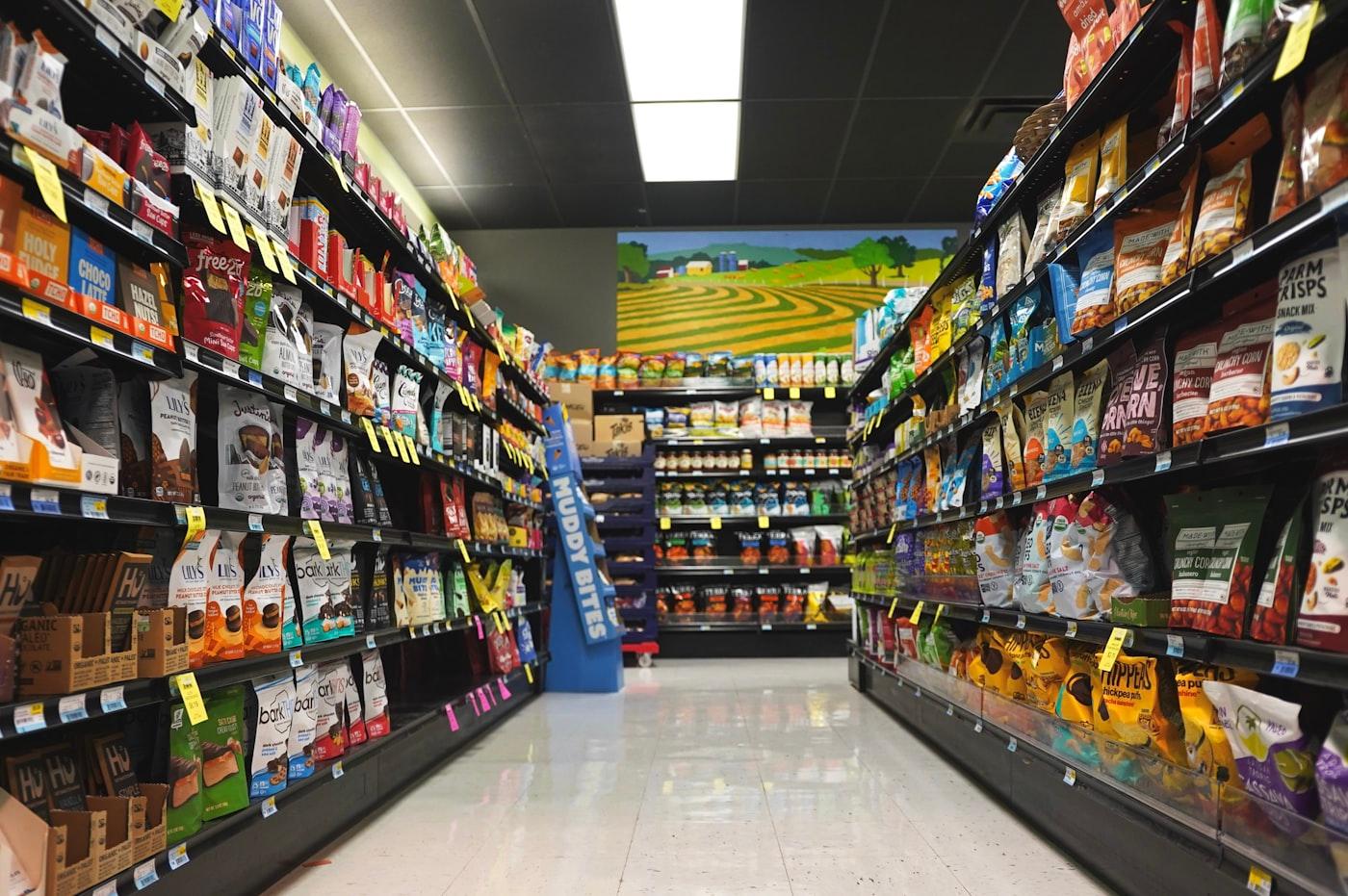
Capital expansion of modern retail grocery chains and express supermarket storefronts in high-density urban residential hubs, delivering fresh farm produce directly to consumers. Key investment highlights: farm-to-shelf integration; an omnichannel model combining supermarkets with quick-commerce delivery; and high daily cash turnover with resilient consumer demand. The retail project creates direct consumer access for the portfolio's food, dairy, edible oil and CPG brands. It combines supermarket storefronts, express outlets and delivery channels to capture margin from farm-to-shelf integration. Business plan: open high-density urban stores, build procurement systems, cold display, POS, inventory control, delivery operations and supplier contracts. Prioritize locations with strong household consumption and repeat traffic. Commercial strategy: sell internal products plus third-party groceries, fresh food and household goods. Use loyalty programs, online ordering and private-label products to improve margins. Risk disclosure: risks include rent escalation, inventory shrinkage, spoilage, weak location selection, cash leakage, supplier price increases, competition, labor cost and consumer spending volatility. Investment terms: minimum investment $1,000.00 USD, lock-in period 24 months, target return 17% total profit. Estimated investment requirement: US$3.00M-US$6.00M.

0% Funded$0.00 of $149,403.49

Expected Return

up to 28%

Lock period options

6 months12 months24 months

View Details
Consumer Packaged Goods (CPG) Branding & Distribution

Consumer Packaged Goods (CPG) Branding & Distribution

Multi-Region

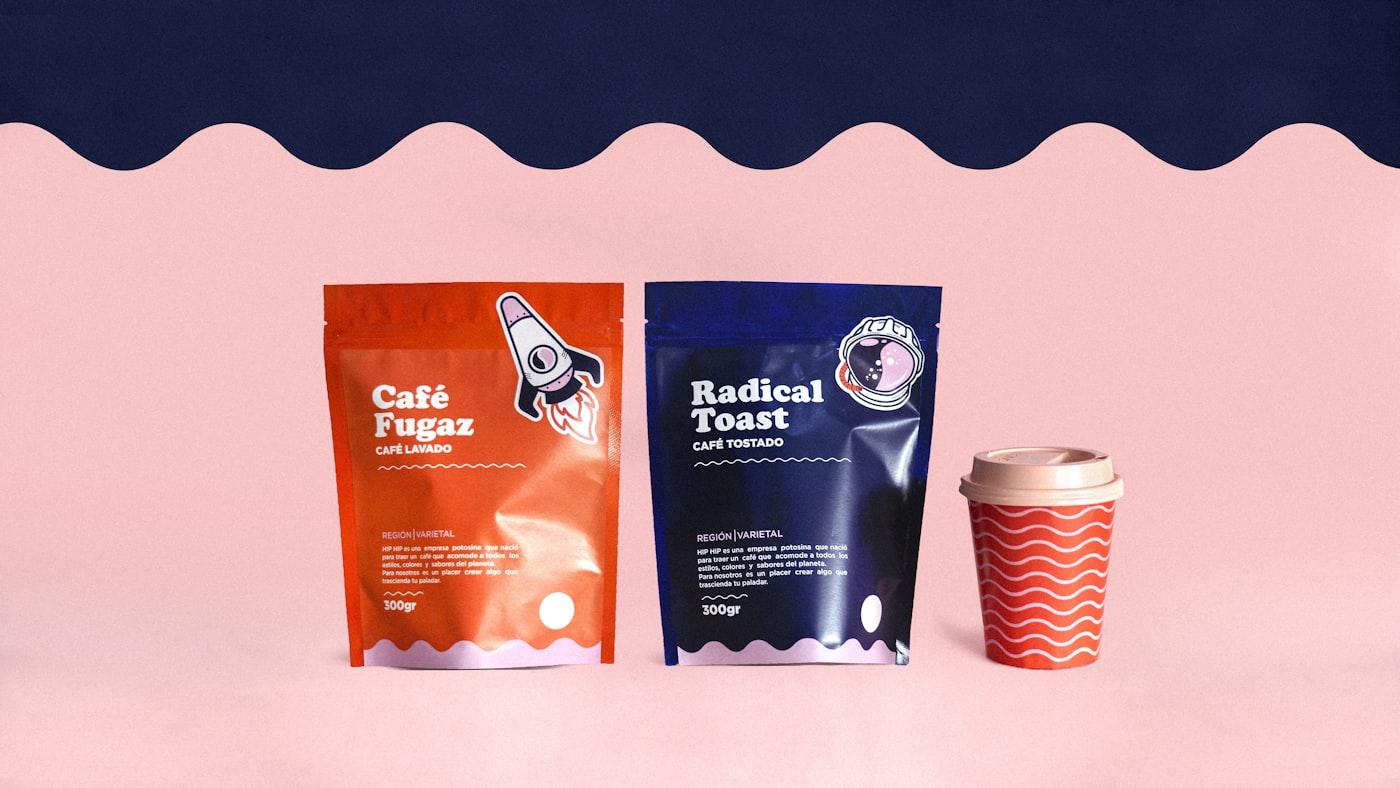
Development, packaging, marketing, and commercial distribution of proprietary consumer packaged food brands, processed dairy products, edible oils, and packaged staples. Key investment highlights: builds high-margin brand equity on existing agricultural assets; nationwide distribution across modern and traditional retail; and strong brand loyalty creating long-term recurring market value. The CPG project builds branded consumer products from the portfolio's own agricultural and processing output, including rice, edible oil, dairy, cheese, packaged staples, frozen meat and eco-friendly goods. It turns commodity output into higher-margin branded products. Business plan: develop brand identity, packaging, food safety systems, distribution agreements, retail placement, digital marketing and sales teams. Launch with high-velocity staples before expanding into premium and export products. Commercial strategy: use supermarkets, wholesalers, e-commerce, diaspora markets and export distributors. Private-label and house-brand strategy can improve gross margin and customer loyalty. Risk disclosure: risks include brand adoption failure, packaging cost increases, food safety claims, product recalls, distributor dependency, shelf-space competition, counterfeit risk and marketing overspend. Investment terms: minimum investment $1,000.00 USD, lock-in period 24 months, target return 18% total profit. Estimated investment requirement: US$1.50M-US$3.00M.

0% Funded$0.00 of $74,701.74

Expected Return

up to 29%

Lock period options

6 months12 months24 months
View Details

23

Active Projects

$407K

Total Invested

385

Happy Investors

$0.00

Total Payouts

4+

Countries

Why Invest in Our Projects?

We follow a rigorous evaluation process to ensure every project meets our high standards for returns, sustainability, and impact.

Learn How We Select Projects

1. Research

We identify high-potential opportunities.

2. Evaluation

Our experts evaluate risk, returns & impact.

3. Due Diligence

In-depth analysis and feasibility checks.

4. Investment

We invest and actively manage the project.

5. Returns

You earn consistent returns and real impact.

Be Part of Meaningful Investments

Invest in real assets that create impact, deliver returns, and build a better tomorrow.